
How to Read 7-OH COA — Understand every section of a 7-OH certificate of analysis: potency, heavy metals, microbes, accreditation, dates, and the red flags of fabricated COAs.
If you arrived by searching for “how to read 7-oh coa”, the short version is this: Understand every section of a 7-OH certificate of analysis: potency, heavy metals, microbes, accreditation, dates, and the red flags of fabricated COAs. The rest of this guide explains why, with the numbers and safety rules printed plainly.
Key takeaways
- A real COA has numbers, not just green checkmarks.
- Potency, contaminants, identity, and batch details each occupy their own section.
- Compare the tested milligrams to the label — and match lot numbers.
What a COA actually is
A certificate of analysis (COA) is a laboratory report for a specific production batch, stating what was tested, the methods used, and the measured results. In the 7-OH category it usually covers alkaloid potency, heavy metals, and microbiology. A COA is only meaningful when tied to a lot number you can match to your package — a generic report floating on a homepage is marketing, not verification.
Section 1: sample and batch information
Check client/manufacturer name, product description, flavor and labeled strength, lot or batch number, manufacture/receive/report dates, and the lab’s full identity and accreditation logo. The lot number must match the one printed on your tin or pouch. Ultra Seven prints lot numbers on every package; the testing program is described on the lab testing page.
Section 2: potency
The alkaloid panel shows the measured 7-hydroxymitragynine content, typically in milligrams per unit or percentage. Compare the measured value against the label: the 7mg tin should report near 7mg per tablet; an 80mg Double Stack near 80mg. Wild deviations, or results given only as “conforms” with no number, fail the purpose of the report.
Sections 3–4: contaminants
Heavy metals results list lead, arsenic, cadmium, and mercury against recognized action limits; microbial results report Salmonella, E. coli, total aerobic count, yeast, and mold. Each needs a measured value and a limit column — if a section is blank, ask why. The full testing scope we use is in how to verify lab tests.
Common forgeries
Repeated identical reports across products, mismatched brand names, reports older than the brand, results with no units, a lab name that doesn’t appear in accreditation databases, and PDF metadata revealing a different company. If anything is off, shop elsewhere — the buying checklist makes that quick.
Frequently asked questions about How to Read 7-OH COA
Quick answer: what matters most about How to Read 7-OH COA?
A real COA has numbers, not just green checkmarks. Potency, contaminants, identity, and batch details each occupy their own section. The full reasoning is above; beginners can also start with the beginner’s guide and the strength chart.
Does the advice change between 7mg, 20mg, 70mg and 80mg for How to Read 7-OH COA?
The strength number governs serving size and who should use the product; the principles behind How to Read 7-OH COA stay constant. Start with the 7mg tin or the 10mg strips; 70mg singles and the 80mg Double Stacks are for experienced adults only.
Where do I verify How to Read 7-OH COA before ordering?
Check the lab testing program, the certificate walkthrough, the FAQs, or message support — every Ultra Seven lot is third-party tested and shipped discreetly to adults 21+ under the shipping policy.
Can I compare How to Read 7-OH COA between sellers?
Only when both sellers publish per-piece milligrams, lot numbers, and certificates of analysis. Marketing words are not comparable; documents are. Use the buying checklist and the counterfeit guide so comparisons of How to Read 7-OH COA rest on paperwork.
Does How to Read 7-OH COA affect shipping or checkout?
Orders are governed by the law at the delivery address, ship in plain packaging with tracking, and are limited to adults 21+. See the shipping policy, the billing guide, and the legality map.
The bottom line on How to Read 7-OH COA
If you remember one thing from this guide to how to read 7-oh coa, make it this: A real COA has numbers, not just green checkmarks. Applying that one point removes most mistakes readers make with how to read 7-oh coa. Then pick the tier that matches your experience in the Ultra Seven shop, compare the details with the related guide, and follow the responsible-use rules.
Official & educational resources
Related guides
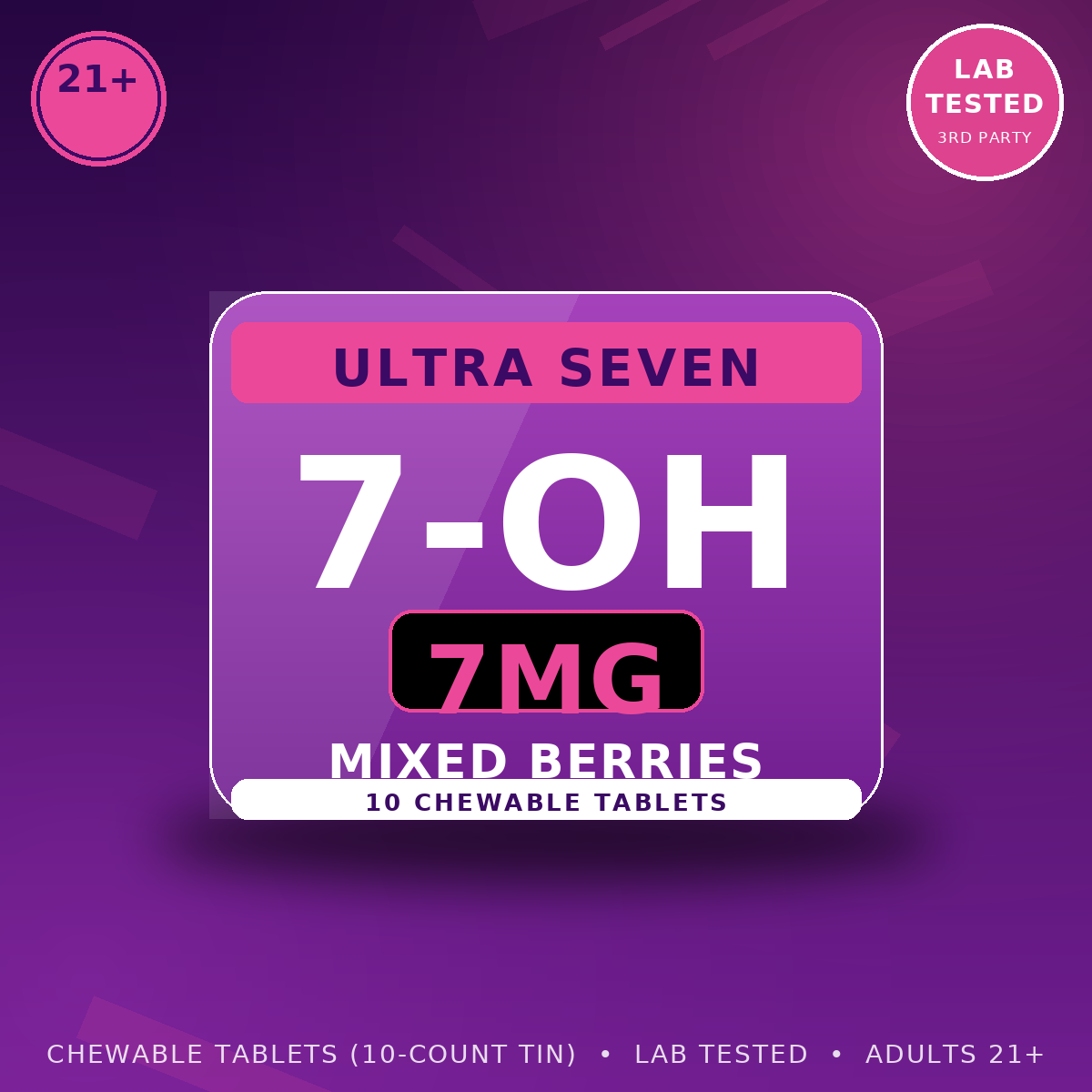 Ultra Seven 7mg 7-OH Mixed Berries Chewable Tablets (10 Count)$13.25
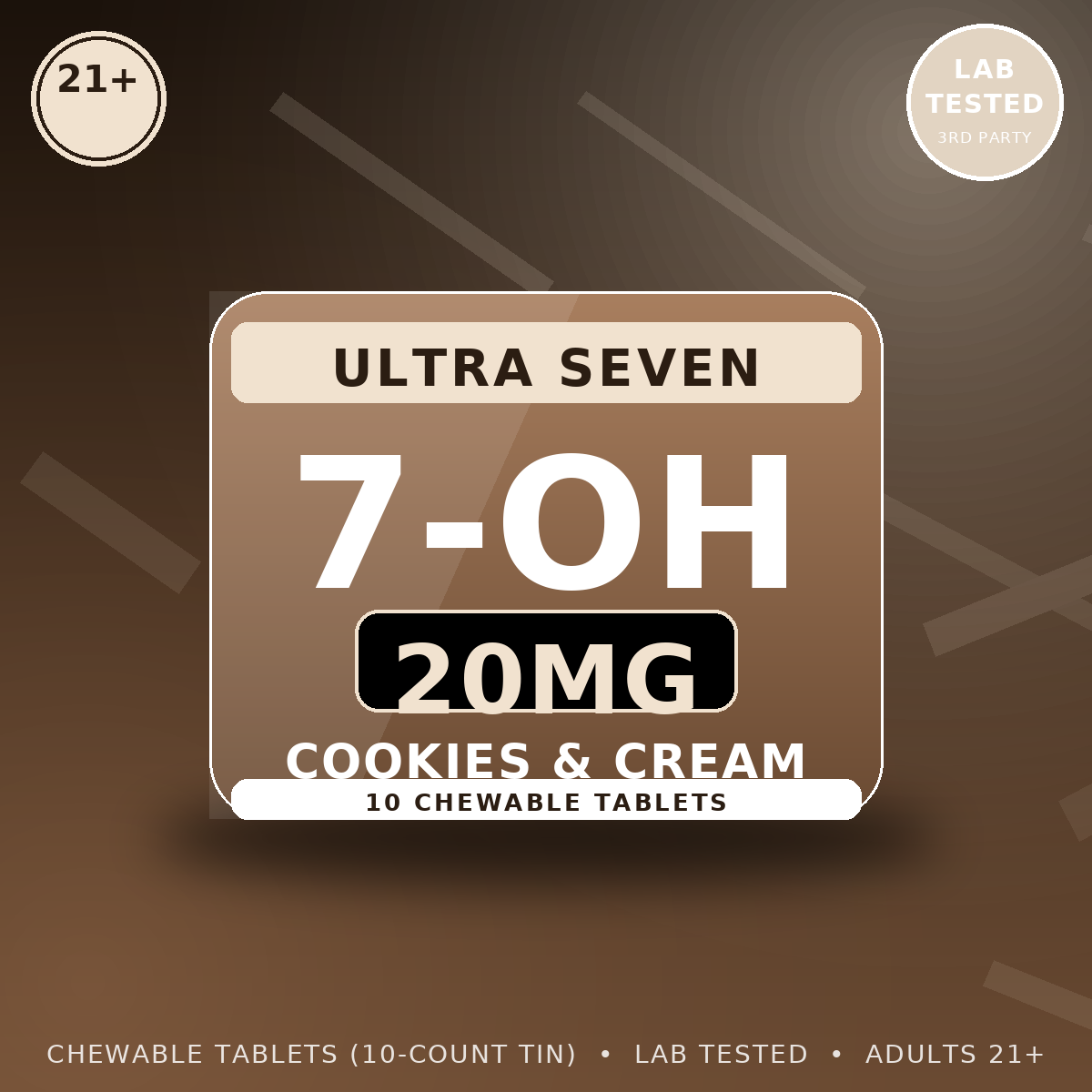 Ultra Seven 20mg 7-OH Cookies & Cream Chewable Tablets (10 Count)$23.95
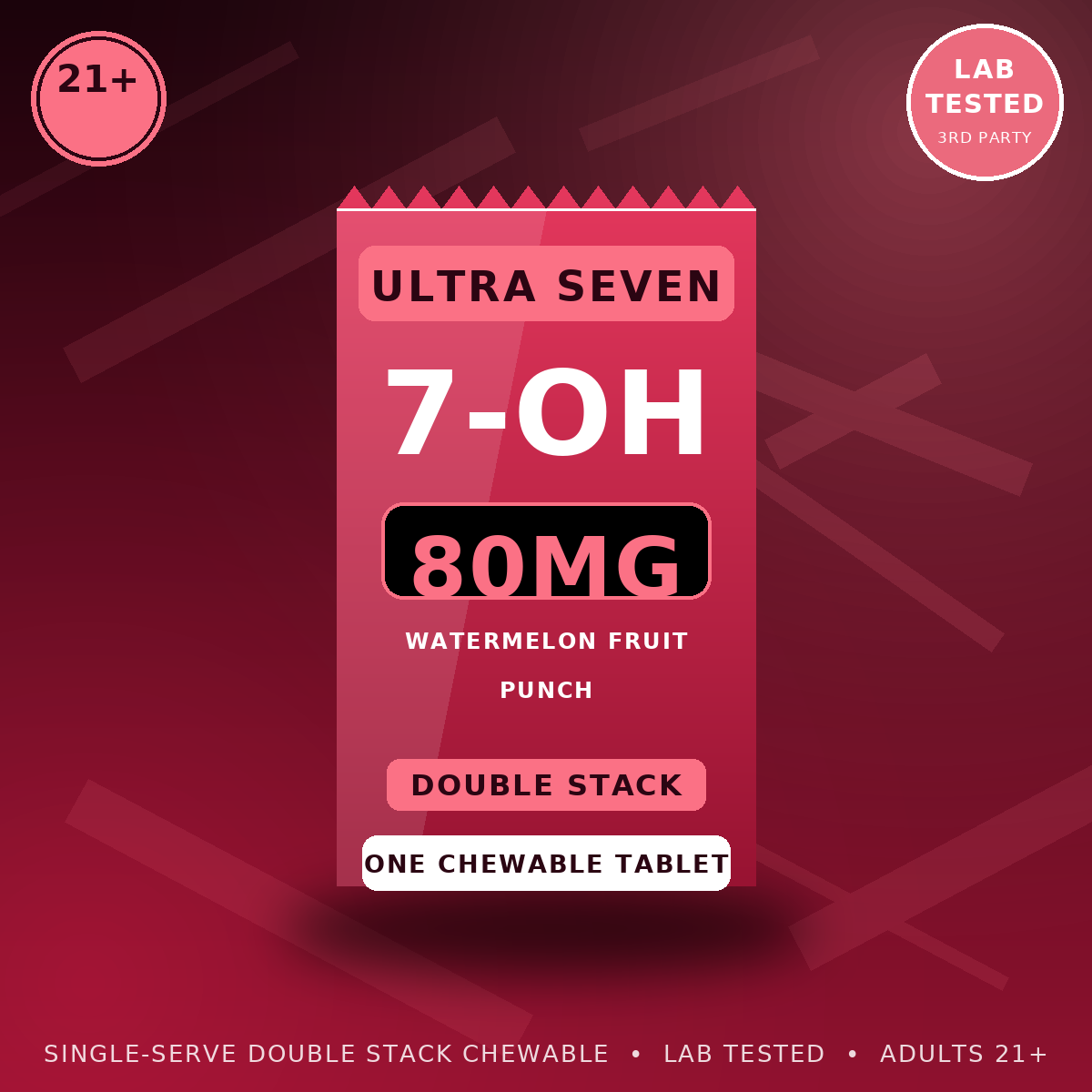 Ultra Seven Double Stacks 80mg 7-OH Watermelon Fruit Punch Chewable Tablet$7.95
Ready to choose your strength?
All Ultra Seven chewables and strips are third-party lab tested, precisely labeled, and shipped in plain packaging to adults 21+.
SHOP ULTRA SEVENSEE THE STRENGTH CHARTEducational content only. These statements have not been evaluated by the Food and Drug Administration. Products are not intended to diagnose, treat, cure, or prevent any disease. Adults 21+ only. Do not use with alcohol or sedating medications, and do not drive after use. Laws vary by state and change frequently — verify current rules at your address via our shipping & legality map. In an emergency call 911 or U.S. Poison Control at 1-800-222-1222.